The Gap That Breathes: Piston-to-Bore Clearance on Fuels We Didn’t Have in 1962

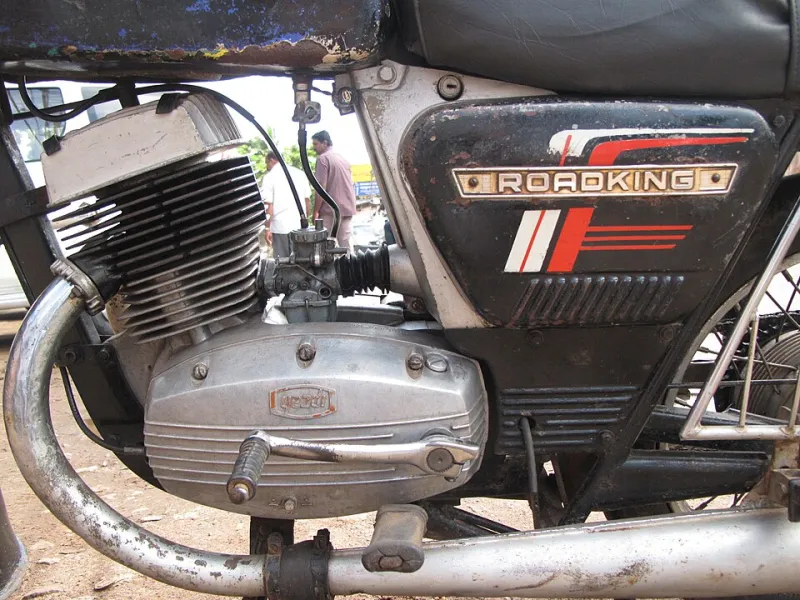
Photo: Evelyn Simak , CC BY-SA 2.0, via Wikimedia Commons
There is a certain comfort in a workshop manual. It gives you a number, you aim at the number, and the engine is supposed to be happy. On an air-cooled British single or twin, piston-to-bore clearance feels like one of those numbers. But old iron has a way of reminding you that clearances are living things: they change with temperature, load, fuel mixture, oil film and the sort of riding the bike actually does. In 2026, with E10 in the pumps and rebuilt engines being asked to sit in traffic and then pull a long A-road climb, it is worth asking whether the original figure is still the whole story.
First, agree on what you are measuring
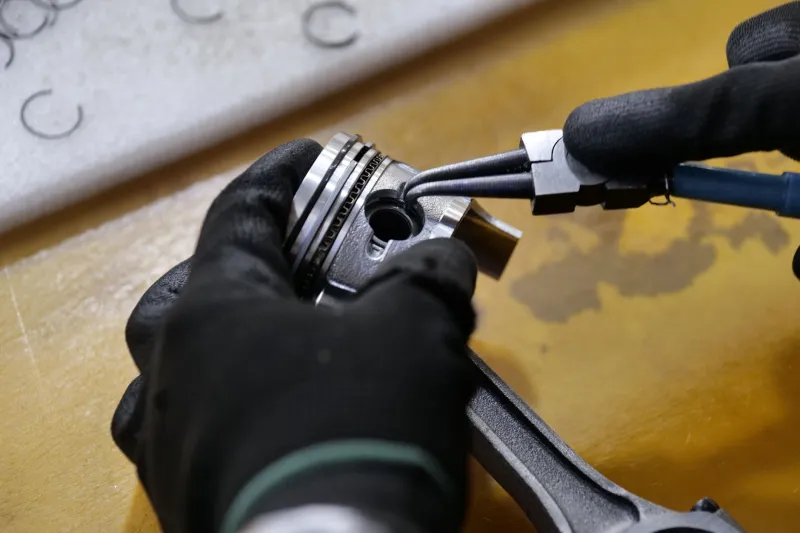
Piston clearance is the difference between the piston skirt diameter and the cylinder bore diameter. That sounds simple until you see two people measuring different parts of the same piston and arguing over four thousandths. The clearance figure in most manuals refers to the skirt, usually at a specified height above the bottom edge and at right angles to the gudgeon pin. Measure the bore at the same height and on the thrust faces, not just at the top where the ring wear lives. Clean everything, let the parts settle to room temperature, and use a proper micrometer and bore gauge rather than a hopeful vernier and a squint.
Record the bore in two axes and at three heights. If the cylinder is tapered or oval, a single clearance number is meaningless. The piston should also be measured at the skirt, not across the crown or the ring lands. On a used piston, look for skirt collapse or a worn patch that tells you where it has been working. The number you calculate is only as good as the surfaces you measured.
The book figure was never a universal constant
Workshop manuals were written around the fuel, oil and expectations of their time. A 1960s British single was often expected to be run-in gently, serviced often and ridden in a way that kept airflow over the barrel. The original clearance was a compromise: tight enough to keep the piston quiet when cold, loose enough to avoid a nip-up when hot. Modern petrol does not automatically demand a different clearance, but modern riding can change the heat load. A rebuilt engine that spends twenty minutes in slow traffic before a fast dual-carriageway run may see temperatures the original tester never imagined.
Ethanol in E10 can lean a carburetted mixture slightly and can affect how the engine behaves when hot, especially if jetting and ignition are not checked. That is not a reason to simply bore the barrel slacker and hope. It is a reason to treat clearance as part of a system: mixture, timing, cooling, oil and running-in all matter. If the engine is already running hot because the jetting is weak or the timing is over-advanced, extra clearance is a sticking plaster, not a cure.
Cast, forged and the expansion conversation
Most vintage British pistons are cast. They generally expand less than forged pistons and can run with tighter cold clearances. A forged piston, whether a modern replacement or a period competition item, often needs more room because it grows more as it heats. Do not assume that every replacement piston wants the original book clearance. If the piston maker supplies a clearance figure, that figure usually takes precedence over a generic manual number for the original piston. If you are fitting a NOS Hepolite or similar period piston, the manual figure may be a better starting point, but check the piston first: aged parts can be marked, scuffed or from a different application.
This is where the home mechanic can get into trouble. A forged piston that is set to a cast-piston clearance may be noisy when cold and tight when hot. A cast piston set to a forged-piston clearance may rattle and wear the skirt. The material matters, but so does the actual measured size. Two pistons from the same box can differ slightly. Trust the micrometer, then compare it with the maker’s advice and the manual.
What the old piston can tell you
Before you decide on a new clearance, read the old piston. A scuffed skirt on the thrust faces suggests it was too tight, or that it got hot, or that the mixture was lean. A polished patch on one side only may point to a bent conrod or a misaligned bore. Heavy wear at the bottom of the skirt can mean the piston was rocking. Ring land wear and crown erosion tell their own stories. If the old piston seized at a clearance that was supposedly correct, do not simply open the bore by another thou and call it fixed. Find out why it got hot.
On a British single, the piston is also part of the cooling story. The barrel fins, the oil supply and the general state of tune decide how much heat the piston sees. A rebuilt engine with a fresh bore, new rings and a clean carburettor will behave differently from a tired one. That is why a blanket “modern fuel needs more clearance” rule is too crude. The right question is: what is this engine going to do, and what does the piston need to survive it?
Sticking with the book, or leaving a little room
For a standard rebuild with a standard cast piston, the book clearance is usually a sensible baseline. If the piston maker gives a figure, use it. If the bore is being machined by a specialist, ask them to confirm the clearance and record it. For an engine that will see real UK roads, including damp winter starts, slow traffic and the occasional enthusiastic A-road blast, a small margin above the minimum can be reasonable, but it should be a considered decision rather than an internet shortcut. More clearance is not free: it can mean more noise, more skirt wear and more blow-by if you go too far.
The practical approach is to measure the piston, measure the bore, calculate the clearance, and compare that with both the manual and the piston supplier’s recommendation. If the two disagree, ask why. A good machine shop will not be offended by the question. Then check the ring end gaps separately, verify the bore finish, and make sure the carburettor and ignition are somewhere near right before the first run. Clearance is a moving target, but it is not a mystery. It is a measurement, a material and a heat load, all asking you to pay attention.