The Peg Doesn’t Lie: Villiers Two-Stroke Piston Checks for Four-Stroke Hands
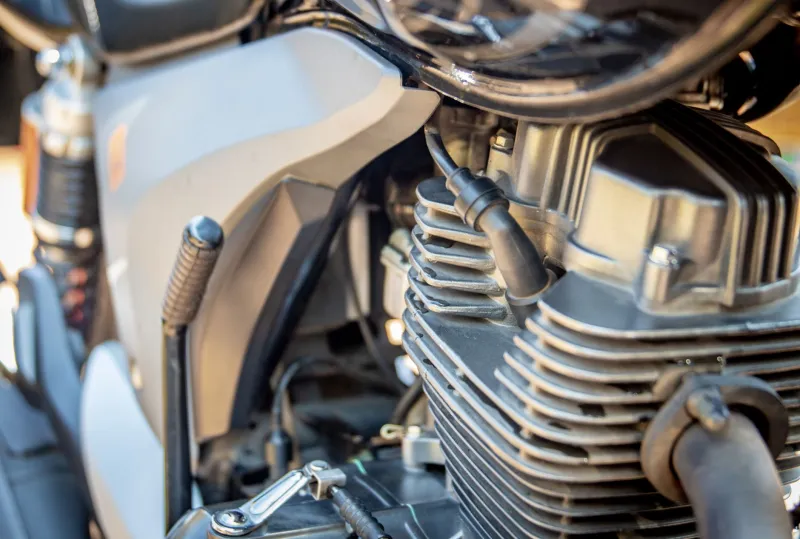
There is a particular temptation in a damp UK garage: the tidy four-stroke single is sitting under a sheet, the winter jobs list is done, and a scruffy Villiers-powered lightweight appears at the back of the shed. It is small, it is cheap, and it smells of premix and possibility. Then you lift the barrel and realise that two-stroke pistons are not simply four-stroke pistons with fewer rings. They are port-timing devices, heat shields and ring cages all at once. Treat one like a Bantam piston and it will punish you with a scored bore and a suddenly very quiet engine.
Unlearn a few four-stroke habits
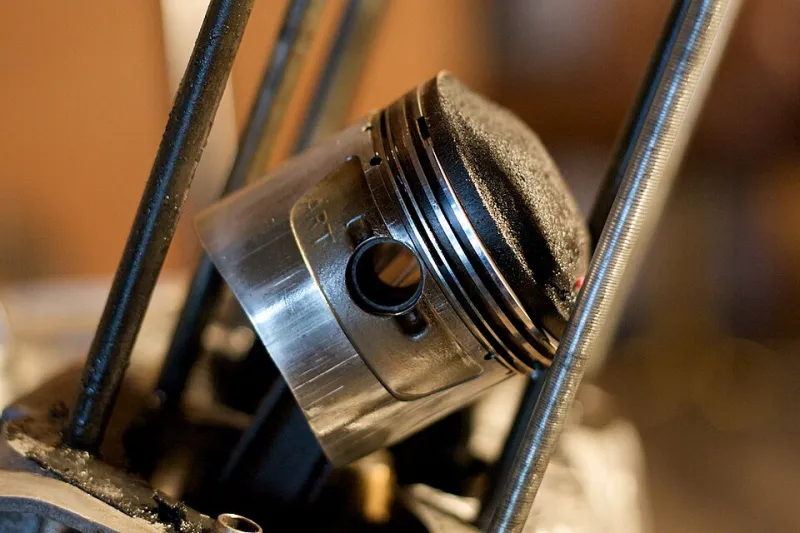
On a British four-stroke single, the piston is mostly a reciprocating plug that carries rings past a smooth bore. On a Villiers two-stroke, the piston skirt is part of the gas-flow system. It uncovers and covers ports, it may carry windows or cutaways, and its crown may be flat, shaped or fitted with a deflector depending on the variant and state of tune. The rings are not free to rotate. The lubrication is not delivered by a pump and splash alone; it arrives in the fuel. And the piston clearance is not a figure to be borrowed from a four-stroke manual because it feels roughly similar.
The first clue at an autojumble is often the ring pack. A proper Villiers-style two-stroke piston will usually have two rings, not a three-ring arrangement with an oil-control scraper. That third ring belongs on a four-stroke, where oil is controlled and returned. On a two-stroke it adds friction, can foul port timing and has no business being asked to scrape oil that is meant to be burned. If a seller describes a piston as “fits Villiers, has three rings, just needs pegs fitted”, walk away politely and keep your money for something with a part number.
The locating peg is the whole ballgame
Ring locating pegs are the detail that separates a working two-stroke piston from a time bomb. Each ring has a small peg in its groove, and the ring end gap butts against that peg. This stops the ring rotating and presenting its ends to a port window. Without pegs, or with a worn or loose peg, the ring can spin until an end springs into the exhaust or transfer port. The result is usually a broken ring, a gouged bore and a piston that looks as though it has been attacked with a chisel.
Check both pegs, not just the top one. Look for looseness, fretting, a cracked groove land or a peg that has been drilled and replaced badly. Check the ring end gap sits either side of the peg with a little room to move, not tight enough to bind when hot. And check the peg positions against the old piston or the barrel’s port layout. A piston with pegs in the wrong place may physically fit the bore and still put a ring end straight into a port. That is the sort of assumption Villiers top ends punish.
Ports need chamfers, not just holes
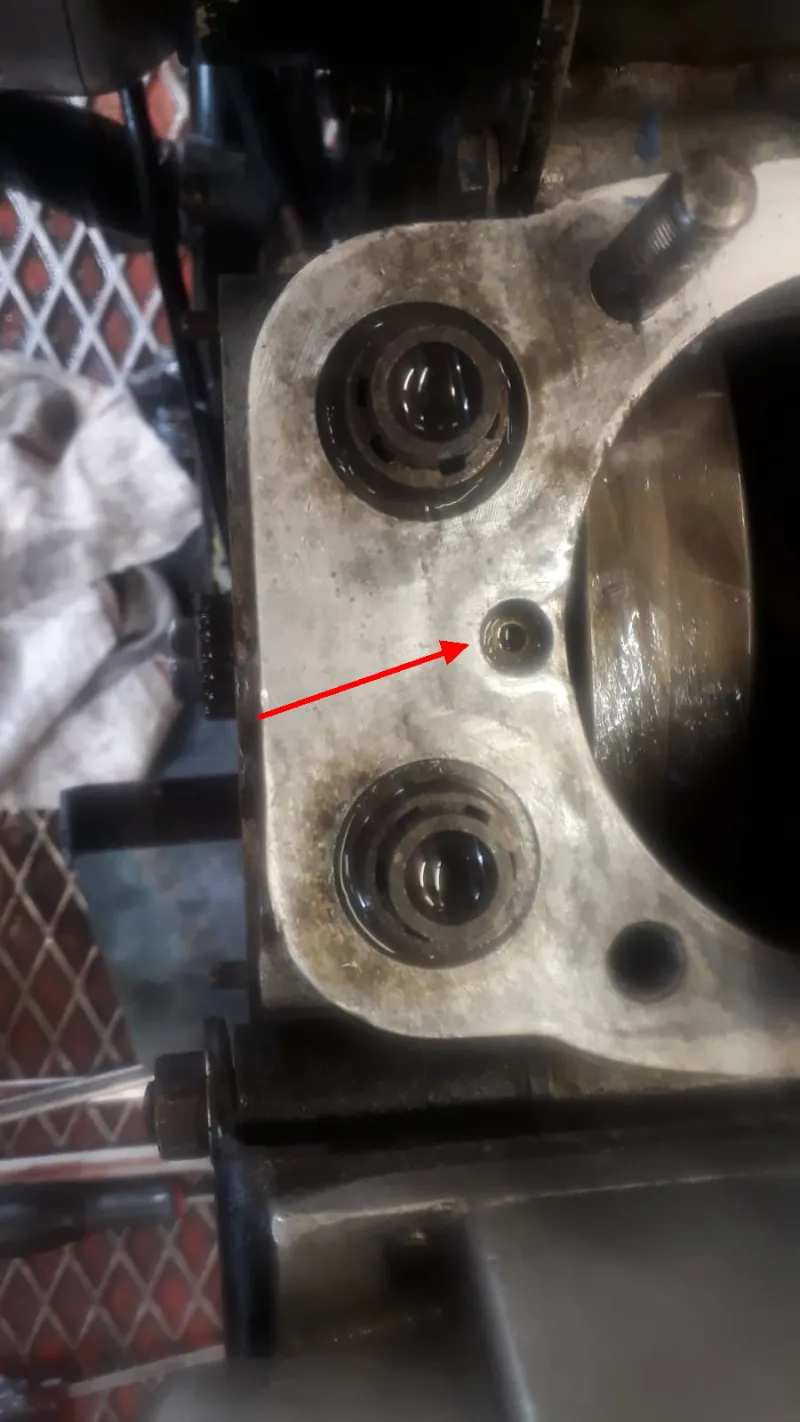
Two-stroke pistons often have skirt windows, cutaways or relieved areas to suit the transfer ports. These are not decorative. They affect flow and, just as importantly, they need clean chamfers so that rings and gas flow are not asked to negotiate a sharp edge. The same goes for the cylinder ports. A burr left on an exhaust port edge can nibble a ring; a sharp piston window can start a crack. If you are fettling, use a fine file or stone with restraint and follow the original shape. Do not open ports because a forum post said it would “wake it up”. On a small air-cooled Villiers, mild is usually fast enough, and reliable is faster still.
Before ordering a piston, compare the skirt profile with the barrel. Hold the old piston against the new one, check the window shapes, the cutaway heights and the distance from the crown to the top ring land. A four-stroke-minded piston may have a completely different skirt and no windows at all. It might go up and down, but it will not breathe as the designer intended.
Clearance is not a number you borrow
Air-cooled two-strokes run hot, and their pistons are often working with different materials and expansion rates from a cast four-stroke piston. The clearance figure must come from the Villiers manual, a trusted tuning source or a measured comparison with a known-good original. Do not simply use a four-stroke figure because it sounds sensible. Measure the new piston at the skirt, at right angles to the gudgeon pin, at the height specified. Check for taper and ovality. Check the ring end gaps in the bore, not on the bench.
Also check pin height and gudgeon pin diameter. Two-stroke small ends often use a needle roller bearing, and the piston must have the correct pin bore and oiling arrangements. A piston with the right diameter but the wrong compression height will sit too low or too high, and no amount of careful running-in will fix that.
Autojumble field kit
Take a vernier caliper, a straight edge, the old piston if you have it, and a notebook with the engine numbers. Look for Villiers markings and part numbers, but do not trust them alone; old boxes acquire hopeful labels. Check the pegs, the ring grooves, the skirt for cracks and the crown for erosion. A NOS piston that has sat in a damp shed for decades may have rusty rings and a corroded pin bore. A shiny piston with no pegs is not a bargain; it is a future rebore.
Premix and the damp-shed finish
Finally, remember that the piston’s life depends on what you feed it. Use the correct two-stroke oil at the correct ratio, not four-stroke engine oil, and do not leave premix sitting in the tank or float bowl for months. In a UK winter, oil the bore after washing and keep the barrel capped. If the engine nips up, suspect an air leak or a lean mixture as well as clearance. The peg may not lie, but neither does a leak-down test.
A Villiers lightweight is a lovely thing once it is right. Just do not order the piston until you have read the pegs, the ports and the manual. The little engine has enough charm without having to forgive your assumptions.