Don’t Let E10 Do the Wintering: A Damp-Shed Plan for Pistons and Rings

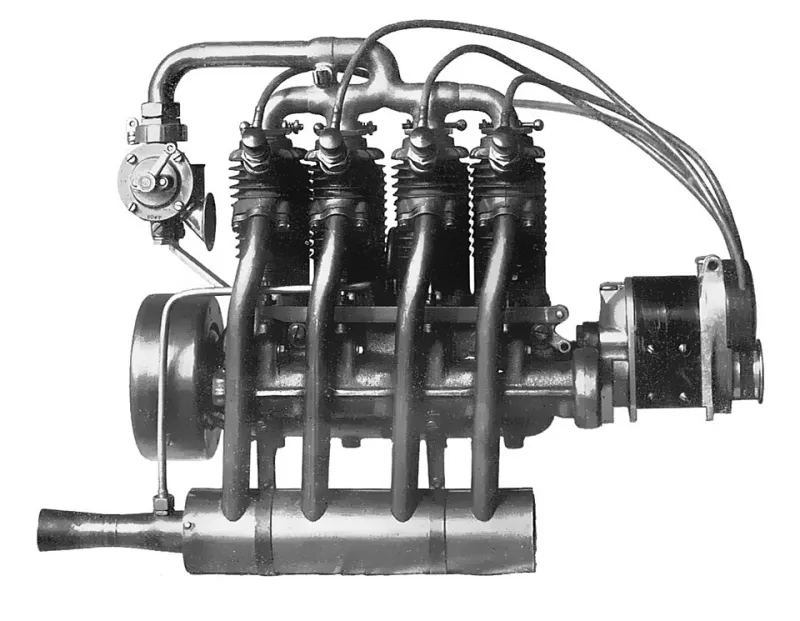
Photo: Shouryaharwani, CC BY 3.0, via Wikimedia Commons
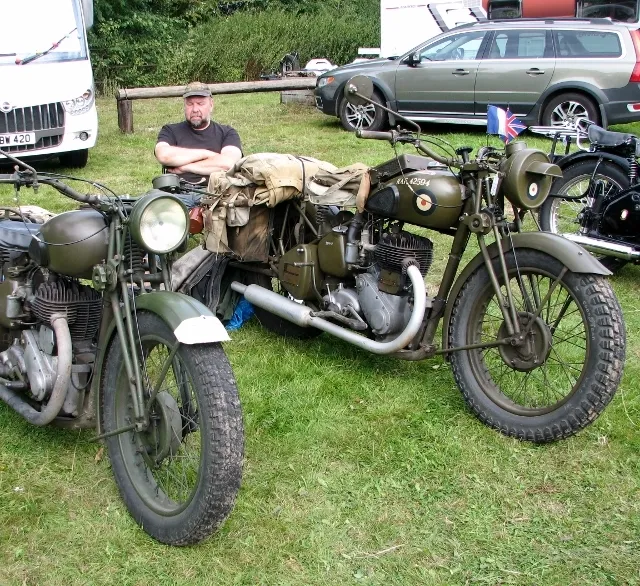
By the second week of November 2026, most British bikes are already under a sheet and dreaming of dry roads. The shed, however, is not dry. It is the usual UK arrangement: a concrete floor, a tin roof, and a dampness that gets into everything except the tin of old Whitworth spanners. Into this sits a tank of E10 and a top end that was running perfectly in September. Ethanol-blended petrol has been the standard UK grade since 2021, and it behaves differently from the four-star these engines were designed around. It is not a reason to panic, but it is a reason to have a plan.
What E10 does when left to itself
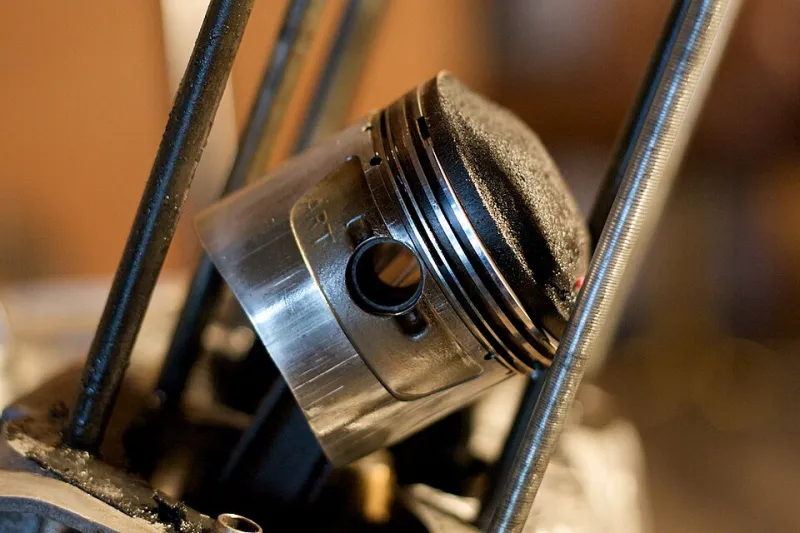
Ethanol is hygroscopic: it pulls water out of the air. In a vented tank and a damp shed, that water ends up in the fuel. Once the fuel is saturated, it can phase-separate, leaving a watery ethanol layer at the bottom and a leaner petrol layer above. That watery layer is corrosive to alloy and steel, and it is exactly the sort of thing that finds its way into a carburettor, a fuel tap and a piston bore. In the top end, leftover fuel residue can gum the ring lands, stick the rings and leave a crust on the piston crown. Aluminium does not rust, but it does corrode, and a piston that has been sitting in damp ethanol fumes can come out of winter with white bloom in the ring grooves.
Drain or fill? Pick a side
The old argument runs: fill the tank to keep condensation out, or drain it to keep stale fuel out. My view, for a British bike in a damp shed over a normal winter, is to drain the carburettors and float bowls completely, and to fill a steel tank to the brim with E5 super unleaded if you can get it. A full tank has little air space for condensation, and E5 gives you a bit less ethanol to absorb water. If E5 is not available, do not half-fill with E10 and hope. Either fill it right up and add a fuel stabiliser, or drain it dry and fog the tank with oil. What you should not do is leave half a tank of E10 breathing damp air for five months.
Fog the bores, not the whole street
Before the bike goes to sleep, warm it up properly, then remove the spark plug and give the bore a short burst of fogging oil or a teaspoon of clean engine oil. Turn the engine over slowly a few times with the plug out to spread it, then bring the piston to top dead centre on the compression stroke. That leaves both valves closed and the bore coated. Do not fill the cylinder like a two-stroke sump; oil does not compress, and a hydraulic lock can bend a rod. While the plug is out, look into the bore with a torch. If you can see rust or white corrosion on the piston crown, you have caught it just in time.
Old-school habits that still earn their keep
Change the engine oil before storage. Old oil carries acids and moisture, and a winter sitting in the sump does nobody any favours. Clean and oil the chain, grease the pivots, and put a breathable cover over the bike rather than a plastic sheet that traps condensation. If the shed is really damp, a small dehumidifier or a low-wattage tube heater is worth more than another bottle of miracle additive. Leave the fuel tap off, drain the carb, and label the bike ‘dry’. Check the tyre pressures and lift the tyres off the concrete if you can. None of this is glamorous, but it is the difference between a spring recommissioning and a spring rebuild.
The spring start-up
Do not simply turn on the tap, kick it and ride. Turn the engine over slowly by hand first, with the plugs out, to make sure nothing is stuck. Fit fresh plugs, fresh fuel, and check for spark and fuel flow. The fogging oil will burn off with a bit of smoke, which is normal. Listen for a stuck ring or a dry small end. If the bike was laid up with E10 in the bores, expect the first start to be smoky and rough, and check the oil for contamination. A little winter discipline with petrol is cheaper than a piston and a rebore. The old bikes deserve better than modern fuel left to do its worst.