Smoke Signals and Sump Tea: A Nose-and-Eyes Piston Health Check

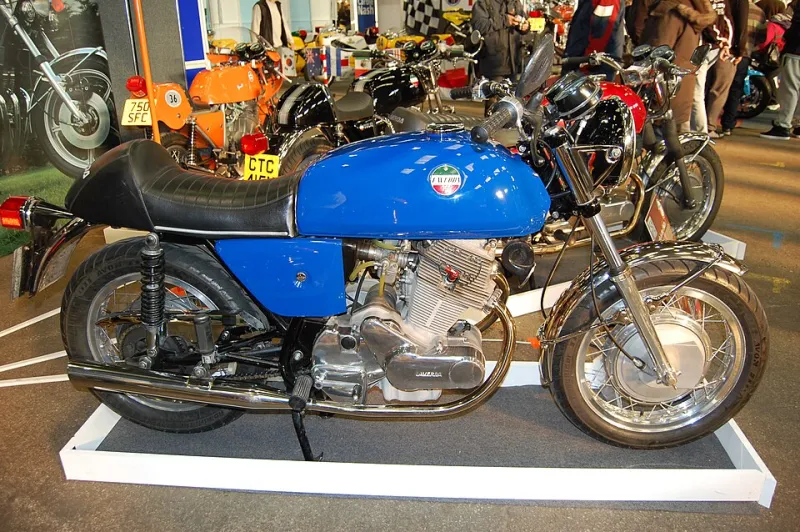
Photo: Marek Ślusarczyk (Tupungato) Photo portfolio, CC BY 3.0, via Wikimedia Commons
Old motorcycles talk. Not in a mystical way — in smoke, smell and the colour of the oil that dribbles out of the sump plug. If you have spent enough time in a cold garage, you learn that a tired piston often announces itself long before the compression tester comes out. The trick is knowing which clues mean 'keep an eye on it' and which ones mean 'stop riding and start dismantling'.
This is not a replacement for a leak-down test or a bore gauge. It is a way to sort the harmless from the urgent before you commit a weekend to the barrel. Think of it as garage triage: nose first, eyes second, tools third.
Start with the cold start
A British single that has sat in a damp shed for a fortnight will always smell of something. Petrol, old oil, damp cast iron and the faint sweetness of coolant are not relevant on an air-cooled engine, but condensation is. A little white vapour from the exhaust that clears as the engine warms is usually just water burning off. A plume that gets worse when the engine is hot is a different conversation.
The smell that matters most is acrid blow-by. It is sharp, hot and slightly bitter — not the rich, oily smell of a normal exhaust. If it comes out of the breather or the oil filler cap while the engine is running, combustion gases are getting past the rings. On a single, a small puff is normal. A steady chuff that increases with revs is a warning. If it is accompanied by oil mist and a tendency to pressurise the crankcase, the piston and rings deserve a closer look.
Petrol smells in the oil are another clue. A carburettor that floods, a stuck float or a lot of short cold starts can dilute the oil and thin it out. That accelerates wear on the piston, rings and bearings. If the oil smells strongly of petrol and feels thin between your fingers, change it before you make any judgements about smoke. Fresh oil is a diagnostic tool in itself.
Read the exhaust, not just the colour
Exhaust smoke is easy to misread in a cold shed. Blue smoke is the classic oil-burning signal, but it matters when it appears. Blue-grey smoke on the overrun often points towards valve guides or worn rings. Blue smoke under acceleration, especially when the engine is working hard, leans more towards rings, bore wear or a poorly bedded piston. On a single with a fresh rebuild, a little smoke for the first few miles is not unusual. A constant blue haze after a hundred miles is not.
Black smoke is usually mixture, not pistons. White or grey smoke that persists when hot can be oil vapour or, on a worn engine, blow-by misting out of the breather. The context matters more than the colour chart. Look at when it happens, how hard the engine is working and whether the smoke smells of oil or petrol.
The sump tea test
Drain a little oil into a clean glass jar and let it settle. This is the closest thing to a cheap oil analysis in a domestic garage. Fresh oil is translucent and golden-brown. Oil that has done its job in an old single will darken, but it should not look like cocoa. A milky, mayonnaise-like emulsion means water has been whipped into the oil — often from condensation in a damp shed, short runs and a crankcase that never gets hot enough to boil it off. That is a storage and usage problem, but it can also accelerate bore and ring wear.
Black, gritty oil with a metallic shimmer is more serious. Grit suggests carbon or dirt. Metallic sparkle suggests bearing or piston wear. If you see either, do not simply change the oil and carry on. Cut open the filter, if there is one, and check the sump for debris. On a vintage single with no filter, a magnetic sump plug is your friend.
A simple smoke-and-smell triage table
| Clue | Likely meaning | Next step |
|---|---|---|
| Acrid smell from breather, oil mist | Blow-by past rings or worn bore | Compression and leak-down test; check breather |
| Blue smoke on acceleration | Oil past rings or piston | Wet and dry compression test; borescope if available |
| Blue smoke on overrun | Valve guides or rings | Check guides; confirm with leak-down |
| White vapour that clears when hot | Condensation in exhaust or oil | Ride longer; change oil if emulsion persists |
| Black smoke | Rich mixture or blocked air filter | Carburettor and filter check first |
| Milky oil | Water emulsion from damp or short runs | Change oil, investigate storage, check breather |
| Metallic shimmer in oil | Bearing or piston wear | Stop riding; strip and inspect |
Damp-shed clues unique to the UK
A British winter is hard on a motorcycle that lives in a wooden shed. Condensation forms on cold cast iron, drips into the exhaust and finds its way past tired rings. If the bike has been stored since autumn, pull the spark plug and have a look down the bore with a torch. A light haze of rust on the bore wall is common. Heavy rust, especially near the top ring travel, means the piston has been sitting in a damp cylinder. Do not simply kick it over and hope. Oil the bore, turn it gently and investigate before you load it.
Check the breather pipe too. A breather that ends in a cold, damp place can draw moisture back into the crankcase as the engine cools. A simple catch tank or a breather routed to a warmer, drier spot is a small improvement that costs almost nothing. It is workshop lore rather than engineering theory, but it works.
The smell of the oil filler cap is another free test. Sniff it after a run. Hot oil and combustion gas have a distinct sharpness. If it makes your eyes water, the rings are probably not sealing as well as they should.
When to stop sniffing and start measuring
Sensory diagnosis is a sorting tool, not a verdict. If the engine starts easily, pulls cleanly, uses a reasonable amount of oil and produces only a faint puff from the breather, keep riding and keep notes. If the smoke gets worse, the oil level drops quickly, the breather starts puffing like a steam engine or the sump tea looks like metallic soup, stop and measure.
A compression test is the next step. Do it hot, with the throttle open, and compare wet and dry readings. A leak-down test will tell you whether the loss is past the rings or the valves. A cheap borescope can show you the bore and piston crown without taking the head off. None of these tools replace a proper strip and measure, but they tell you whether you are looking at a winter project or an immediate repair.
Keep a simple log: date, mileage, oil colour, smoke colour, smell and any changes. After a few months, patterns emerge. That is the real value of the nose-and-eyes method. It turns vague unease into evidence, and evidence is what gets an old British single back on the road without unnecessary surgery.